If you stack Botox with lasers, microneedling, skin tightening, or fillers within a narrow window, you’re not just scheduling appointments, you’re orchestrating physiology. Timing, depth, dose, and order decide whether you get a rested face or a drooping brow and a week of regret. This is the inside view of how to layer treatments safely, drawn from patterns I see every week in clinic and from the physics of diffusion, the biology of neuromuscular junctions, and the quirks of real faces that don’t behave like diagrams.
Why layering changes the risk calculus
Botulinum toxin type A behaves predictably in controlled conditions. In the wild, not so much. The moment you add heat, suction, bleeding risk, edema, or mechanical manipulation from another procedure, you change how toxin spreads and binds. You also change what “safe” dosing looks like in a face that is already under stress from other interventions. Safety is rarely about a single decision. It’s about managing interactions: tissue perfusion, muscle recruitment, patient movement patterns, and the operator’s technique.
Three clinical questions guide every layered plan. What will alter diffusion or binding within 48 hours of injections? What will camouflage early warning signs like asymmetry or heaviness? What will make recovery more complex if you get a partial failure or overcorrection?
Diffusion is not a single number
The diffusion radius is often quoted as if it were a constant. In practice, it shifts with injection plane, reconstitution, local tissue resistance, and injection speed. Intramuscular placement typically contains spread better than intradermal or subdermal wheals, where the toxin can travel along the superficial musculoaponeurotic system and septae. Thin dermis and low subcutaneous fat reduce containment, so a 1 cm spread in a thick forehead can feel like 1.5 to 2 cm in a thin one. This matters when layering with skin tightening or energy devices that increase local perfusion and temperature. Heat encourages dispersion during the early binding window, roughly the first 2 to 4 hours, sometimes up to 8 hours in slower metabolizers or in highly vascular regions.
Injection speed carries its own small but meaningful effect. A slow depressurization with minimal plunger force reduces fluid tracking and backflow. Rapid boluses push toxin along tissue planes and favor unintended targets such as the levator palpebrae in frontalis work or the zygomaticus minor in crow’s feet work. When pairing Botox with devices, slower delivery has a better margin.
Reconstitution and unit behavior under layered stress
Reconstitution technique and saline volume impact how tightly a unit behaves. Higher dilution can improve feathering in broad muscles like the frontalis or masseter edges, but it increases the radius of potential spread. In a layered plan where a device session follows within 24 to 48 hours, I tighten dilution modestly for high‑risk zones near elevators or sphincters, then accept more injection points to maintain coverage. That keeps the toxin where it should act without enlarging the hazard zone.
Unit creep is real. Muscles weakened by small, repeated doses over short intervals often display broader functional reduction than the sum of the units would suggest. Add a laser or radiofrequency session that increases edema and local warmth, and that small plan can convert to a heavy brow or a flattened smile. Cumulative dosing across sessions must be tracked, even when each visit looks “light.”
The order of operations: which comes first
As a rule, I perform energy and mechanical treatments before Botox when they share a zone or an adjacent field. Fractional lasers, ultrasound tightening, radiofrequency microneedling, and even vigorous facials can displace or diffuse toxin if done soon after injections. If a patient insists on same‑day pairing, I schedule the device first, allow any pinpoint bleeding to settle, clean thoroughly, and reserve Botox for last with small boluses, slow injection, and zero massage. If there’s significant edema or heat, I defer toxin 24 to 72 hours.
Fillers change the equation. Hyaluronic acid can trap fluid and shift planes, which can redirect spread if Botox follows within the first few days. When managing perioral lines or lip flip work, I separate filler and Botox by at least a week unless the doses are micro and the target muscles are far from high‑risk elevators. In cheeks and temples, filler first and toxin a few days later is usually safer. For glabella‑frontalis complexes, Botox first can soften hyperactivity that would otherwise fight the filler’s vectoring, but I still prefer a gap of 3 to 7 days before fillers in the same zone.
Anticoagulation and bruising when multiple procedures stack
Layered treatments increase bruising risk simply by raising the number of needle passes and by compounding vascular dilation from devices or topical warming. For anticoagulated patients, I plan low‑trauma days. That means fewer entry points, smaller volumes per site, a gentle hand, pre‑cooling, and pressure hold for each injection. I avoid stacking device heat on the same day because post‑device vasodilation exaggerates ecchymosis. Precision marking before antisepsis helps, especially when a device will lift or smear the surface landmarks.
Planning for outliers: faces that won’t follow the script
Several patient types demand extra caution when combining treatments. A frontalis‑dominant brow lifter uses the entire forehead to keep the eyes open. Add a skin tightening session that swells the brow, then place the usual units, and you risk a heavy, tired look that lasts weeks. Thin dermal thickness gives less margin in the periorbital and perioral zones. Strong depressor dominance in the glabella or DAO region amplifies asymmetry risk if toxin spreads outside the intended lines. Prior eyelid surgery shortens the path between frontalis and levator influences, so even small diffusion mishaps show up as lid fatigue.
When actors, singers, and public speakers book layered treatments, I prioritize dynamic control over maximal smoothing. That often means fewer units placed with EMG or careful palpation mapping, greater spacing between points, and a longer gap between devices and toxin. Performance faces need movement accuracy more than still‑frame perfection.
Sequencing to avoid compensatory wrinkles
Over‑weakening a muscle invites its antagonists to overfire. Patients interpret these as “new lines” after Botox. Layered plans amplify this risk because device‑related swelling hides early feedback. I watch the upper third carefully. Heavy glabellar dosing with a device session can lead to frontalis overactivity laterally and a chevron wrinkle pattern. On the lower face, suppressing DAOs without considering the mentalis and platysma can bend the smile arc and create chin strain during speech. A light prime in the antagonists, placed a week later at a follow‑up, often yields the most natural balance.
Micro‑expressions and resting tone: what layered plans can distort
Botox doesn’t just smooth lines, it changes resting facial tone. That shift can be helpful, for instance in reducing facial strain headaches by softening chronic frowners, or it can flatten micro‑expressions if doses extend beyond the natural borders. Energy devices that tighten skin can exaggerate or mask these changes in the short term. A tightened, slightly edematous brow looks lifted even if the frontalis is underdosed. Two weeks later, when swelling resolves, the real balance appears. For public‑facing patients, I space device sessions and Botox so each effect can be evaluated independently before committing to more.
I sometimes use high‑speed facial video to map micro‑asymmetries that only appear during rapid speech or laughter. It reveals patterns the mirror won’t, such as delayed activation of the left zygomaticus or a subtle upper lip eversion that flips only when phonating. When treatments stack, those small quirks can become big tells.
Dosage discipline: caps, ethics, and metabolizer differences
Safety in layered care is partly a numbers game. Session caps are botox NC Allure Medical less about an absolute unit count and more about the dose density per zone in the presence of other procedures. A forehead that just underwent RF microneedling is not the same forehead it was last month. I reduce total forehead units by 10 to 30 percent when a heat device is done within 48 hours. In the glabella, I stay conservative if the patient reports eye fatigue by afternoon, a sign of frontalis compensation that won’t tolerate aggressive corrugator weakening.
Metabolism matters. Fast metabolizers begin to lose effect at 8 to 10 weeks, sometimes sooner. Slow metabolizers carry residual weakness past 4 months. The re‑treatment timing should reference muscle recovery, not a calendar. If a patient still shows 30 percent weakness and requests a device session and more toxin, I hold toxin until function rebounds or I use micro‑doses with widened spacing to avoid cumulative drift and antibody stimulus.
Antibody formation is rare in cosmetic dosing, but cumulative high units across short intervals raise the theoretical risk. Frequent touch‑ups within 2 to 4 weeks, stacking across multiple facial zones, plus off‑label large‑muscle work like masseter or trapezius in the same quarter, can push total units high. When planning layered days, I log cumulative dosing by quarter and avoid unnecessary chaser units. If a patient shows true treatment failure unrelated to technique or anatomy, I confirm brand, dilution, and injection plane, then consider a spacing period and, if necessary, a switch in serotype with informed discussion.
Mapping for precision in layered settings
EMG assistance is not mandatory for standard aesthetic zones, yet it becomes helpful in layered plans where edema or device‑induced erythema blurs topography. I reserve EMG for atypical cases: post‑blepharoplasty lids with altered frontalis recruitment, asymmetric smiles after prior surgery, or persistent crosstalk between depressors and elevators. Otherwise, palpation and dynamic mapping suffice, provided you re‑map on the day of treatment and not from last visit’s notes. Small marks placed before any device passes, then lightly reinforced after antisepsis, keep accuracy when the skin is flushed.
Point spacing deserves attention. Closer spacing with smaller aliquots reduces peak concentration at any single site, which narrows the risk of migration. I prefer 1 to 1.5 cm spacing in a high‑risk field after a device. For low‑risk zones or thick tissue, spacing can widen without losing uniformity.
Special zones during layered care
The brow tail is sensitive. Slight diffusion into the lateral frontalis can drop the tail or neutralize a desired lateral lift. If a tightening device was used along the temples or lateral forehead, I trim lateral frontalis doses and recheck two weeks later for a small top‑up if needed. For nasal tip rotation control, I treat depressor septi with tiny intramuscular doses and avoid immediate post‑treatment manipulation. Adding a device around the nasal base the same day risks tracking that blunts the philtral dynamics.
Vertical lip lines benefit from micro‑doses in the orbicularis oris, but a filler session nearby in the same week increases the chance of temporary lip stiffness. If a patient wants to minimize downtimes by stacking, I bias toward either micro‑toxin only or filler only, then revisit the other in 7 to 10 days. For patients who rely on clear articulation, such as broadcasters, I cut perioral doses further and accept more lines over any risk to enunciation.
Chin strain during speech often reflects mentalis overdrive. When combining toxin here with devices on the jawline, I keep the mentalis doses tight and midline to avoid spill into depressor labii or into the lower orbicularis, which can distort the smile arc. A follow‑up at 2 weeks is the safer place for edge refinements rather than pushing the first session.
Prior history changes current risk
Patients with a long history of continuous Botox use can show altered muscle rebound strength. Over years, baseline tone can reset. In layered plans, this history means two things. First, the effect duration may be more predictable but the face may rely on compensatory patterns the patient no longer notices. Second, under‑dosing can reveal odd creasing patterns rather than simple under‑correction. Small corrective passes at day 10 to 14 usually solve it.
Prior filler history also guides diffusion risk. Dense filler in the malar region can alter the way fluid tracks across the zygomatic cutaneous ligaments. I avoid superficial toxin boluses above old filler that sits sub‑SMAS, and I favor deeper intramuscular placement where appropriate to limit lateral wander.
Patients with connective tissue disorders bring another dimension. Laxity changes fascial constraints and often increases asymmetry under load. In these cases I use fewer total units, more points, and greater time gaps between any device and toxin, with tighter follow‑up for fine‑tuning after initial under‑treatment.
Asymmetry happens: plan to correct, not to explain
Even perfect technique sees variability between right and left facial muscles. Neuromuscular junction density and habitual use differ side to side, especially in people who sleep on one side, chew more on one side, or speak with asymmetric lip movement. Devices can transiently exaggerate these differences by swelling one side more. I warn patients that minor asymmetry is common at day 4 to 7, and I schedule a standing review at day 10 to 14 for refinements. Keeping initial doses conservative in layered plans protects this correction window.
Athletes, weight changes, and dosing recalibration
Athletes often metabolize faster and recruit muscles more aggressively, shortening duration and demanding higher precision. Layered treatments for them should avoid same‑day stacking with high‑intensity training, sauna, or hot yoga, all of which could increase perfusion and early spread. I adjust doses by function, not by body weight, but significant weight loss or gain changes the canvas. A 15 to 25 pound change can alter fat pads and dermal thickness enough to require new mapping and spacing. I re‑photo and remap rather than simply repeating a prior plan.
For long gaps between treatments, muscles rebound. Expect stronger pulls and possibly faster uptake. I start with previous effective units minus 10 to 15 percent if a device is also planned that week, then reassess at two weeks for a gentle top‑up.
Headaches, tension, and facial pain syndromes
Some patients seek Botox for relief from facial strain headaches or tension‑related jaw discomfort. When layering with devices, respect the symptom feedback loop. Early post‑device soreness can mask whether toxin placement helped or hindered. I separate diagnostic micro‑doses for pain from cosmetic doses when possible, and I avoid same‑day device heat over the treated muscle groups. Mapping the corrugator, procerus, temporalis, and masseter with palpation during active clench or frown improves hit rate. If results are unclear at one week, wait for swelling to settle before changing course.
Safety protocols that reduce layered risk
Here is a compact checklist I use when planning Botox within layered facial treatments:
- Determine sequence: device first, Botox last, unless compelling reason exists to separate by days. Tighten dilution and slow injection in high‑risk zones, increase point count instead of volume. Reduce units 10 to 30 percent in areas treated with heat or suction within 48 hours. Avoid massage and external pressure over injected zones for the first day, and delay saunas or intense exercise. Book a day 10 to 14 follow‑up for precision top‑ups rather than front‑loading units.
Preventing migration while devices are in the mix
Migration patterns reflect both anatomy and behavior in the early binding window. Gravity and pressure are rarely the culprits patients imagine. Instead, it is hands on the face, sleeping immediately after treatment with a cheek planted into a pillow, and vigorous skincare or cleansing that physically pushes fluid. In layered plans, I advise a quiet face for the evening. No masks, no firm rubbing, no heavy creams near injection fields that can encourage slip. For high foreheads, I ask patients to avoid tight hats or headbands for two days. When a device is planned the next day, I cancel or move it.
Static versus dynamic wrinkles and what to treat first
Devices often target static lines, while Botox modifies dynamic lines. In layered plans, I treat the neuromuscular driver first if the dynamic component is strong. For etched static lines without much movement, device first makes sense. When both are present, map the line at rest and in motion. If the line vanishes completely in stillness after a gentle frown or smile, the muscle is the primary driver and toxin first prevents chasing lines with energy. If the line remains at rest regardless of movement, prioritize the device. Then add lighter toxin to protect the device gains from habitual folding.
Minimal downtime technique for busy calendars
Patients stacking treatments usually have little time to spare. Minimal downtime requires a conservative‑then‑refine approach. I keep injection depth appropriate to muscle thickness, avoid superficial pools that can bruise, use pre‑cooling and brief pressure, and leave off makeup for a few hours. I also document standardized facial metrics at baseline and at follow‑up, including brow position at rest and in surprise, smile arc symmetry, upper lip show at rest and in smile, and chin dimpling at rest and speech. These metrics guide tiny positional tweaks at the refinement visit rather than tempt a big first‑pass dose.
When brows feel heavy and how to fix it
Post‑treatment brow heaviness is the most common complaint when layering with forehead devices. The corrections are simple but require restraint. I first assess whether lateral frontalis was over‑treated relative to the medial. If so, small lifts with micro‑doses into lateral depressors like the lateral orbicularis oculi or, very carefully, tiny units in the tail‑depressing fibers can restore balance. If the problem is medial heaviness from strong glabellar treatment, a few micro‑points in the low lateral frontalis, spaced away from the brow, can relieve the downward vector while keeping the central forehead quiet. I do not chase heaviness with more glabellar toxin. That deepens the problem.
Symmetry at rest versus in motion
A face can look symmetric at rest and asymmetric in motion, or vice versa. Devices can improve resting symmetry by tightening lax tissue, yet the dynamic asymmetry returns as soon as muscles fire. In layered plans, I decide which symmetry matters most to the patient. For photographers and on‑camera professionals, motion symmetry usually matters more. That drives my Botox map, with small, strategic doses targeted at the dominant side during the key expressions the patient cares about. For patients bothered by resting “angry” brows, I prioritize the resting tone and accept a bit of dynamic mismatch if necessary.
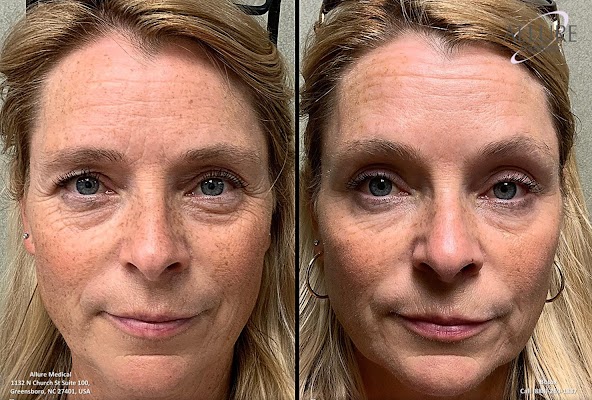
The ethics of subtlety
There is a temptation, when a device appointment is already on the calendar, to add “just a bit” of Botox everywhere as a maintenance gesture. That mindset creeps dosing upward over time and dulls expression. Precision mapping for minimal unit usage is not a slogan, it is a discipline. I prefer to leave small lines untreated if the cost is a stiffer smile or flattened micro‑expressions. Preventative protocols should be tailored to the face’s communication needs, not to a unit target.
Practical scenarios
A patient with strong frontalis dominance, thin dermis, and a scheduled ultrasound tightening across the brow and temples asks for same‑day Botox. I do the device first, then deliver a reduced frontalis dose with tighter dilution, more points, and wider lateral spacing. I avoid massaging the field, warn about hats and heat, and book a two‑week refinement. If she reports afternoon eye fatigue pre‑treatment, I cut the glabellar plan and defer any lateral elevating tweaks until follow‑up.
A public speaker with expressive eyebrows wants subtle softening without losing lift and has a fractional laser planned for periorbital crepe. I separate the laser and toxin by at least 72 hours. I map the frontalis while he rehearses facial emphasis lines and place micro‑doses that preserve the medial lift he uses for emphasis. I skip lateral frontalis on day one, then add two or three micro‑points at day 10 if needed.
A patient with prior eyelid surgery shows left‑right variability in orbicularis strength and complains of facial fatigue. I avoid same‑day device pairing. I use EMG to confirm corrugator activity, place conservative doses, and wait. If facial fatigue improves and symmetry settles, we add a gentle device session weeks later.
When things go off course
Treatment failures in layered plans follow patterns. Either the toxin was underdosed because the muscle load was underestimated, or diffusion reached the wrong target because a device or manipulation changed planes. Correction pathways start with time and reassessment. If under‑treated, add measured micro‑doses in a clean field once device inflammation subsides. If misdirection caused heaviness or asymmetry, resist the urge to chase broadly. Target antagonists in tiny amounts, focus on balance, and allow neural adaptation. Document thoroughly so the next plan avoids the same trap.
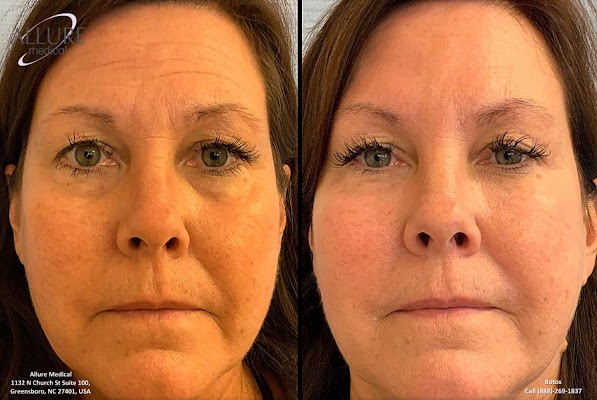
Final guardrails for safe layering
Layered treatments are not dangerous by default, but they compress margins. Each decision that tightens the system buys safety: slower injections, smaller aliquots, more points, cooler skin, fewer same‑day maneuvers, and honest caps on units when other interventions are in play. Schedule with muscle recovery in mind. Respect how devices alter diffusion and tissue dynamics. Protect micro‑expressions for those who rely on them. Above all, accept that the best result over a month usually comes from two restrained sessions rather than one maximal one.